

“5% broken” and “25% broken” are familiar labels in rice enquiries. They are useful only when buyer and supplier agree what counts as a broken kernel and what the stated percentage means. The label alone does not identify the variety, establish cooking performance, or tell you whether the offer suits your customer.
A lower broken proportion can matter for a presentation-led retail range. Another buyer may prioritise an agreed cooking result or processing application. The sensible choice begins with the product brief, rather than the assumption that one number describes every aspect of quality.
First confirm the grading basis
Ask whether the percentage is a maximum acceptance limit, a target, or an indicative result. Confirm the definition, measurement method, sampling procedure, and reporting basis. Do not interpret the number as a percentage of bags, individual handfuls, or an automatic guarantee of every sample taken.
The Codex rice standard CXS 198-1995 is a useful terminology reference within its scope. Your contract still needs a clear agreed specification and verification procedure. For the rest of the sheet, use our guide to rice specification fields.
Compare the whole offer, not just the broken limit
| Comparison point | Question for both offers | Why it matters |
|---|---|---|
| Rice identity | Same variety, milling form, and stated origin? | A broken limit does not make different rice identical. |
| Physical specification | Same methods and agreed defect limits? | Other characteristics can change suitability. |
| Cooking trial | Same recipe, equipment, and evaluation timing? | Performance must be checked in the intended use. |
| Commercial terms | Same pack, quantity, named delivery point, and payment basis? | Prices become comparable only after normalisation. |
For example, a 5% offer for one fragrant type and a 25% offer for another white rice are two product choices, not a controlled comparison of broken percentages. Even within the same variety, compare the current specification, processing, and sample evidence. Ask the supplier to state precisely what differs between the two options.
Use a cooking trial that reflects your customer
Restaurants can evaluate serving appearance, texture, ease of portioning, and performance over their normal service period. Retail buyers can test instructions that consumers will actually follow. Processors should evaluate their own production method and finished product. A general preference cannot substitute for an application trial.
- Code the samples so the evaluator is not guided by the price.
- Weigh rice and water, and record rinsing, soaking, cooking, and resting conditions.
- Evaluate at the same times and under the same conditions.
- Record observations in plain language, with a separate entry for the accepted specification.
- Repeat a doubtful result before using it as a purchasing conclusion.
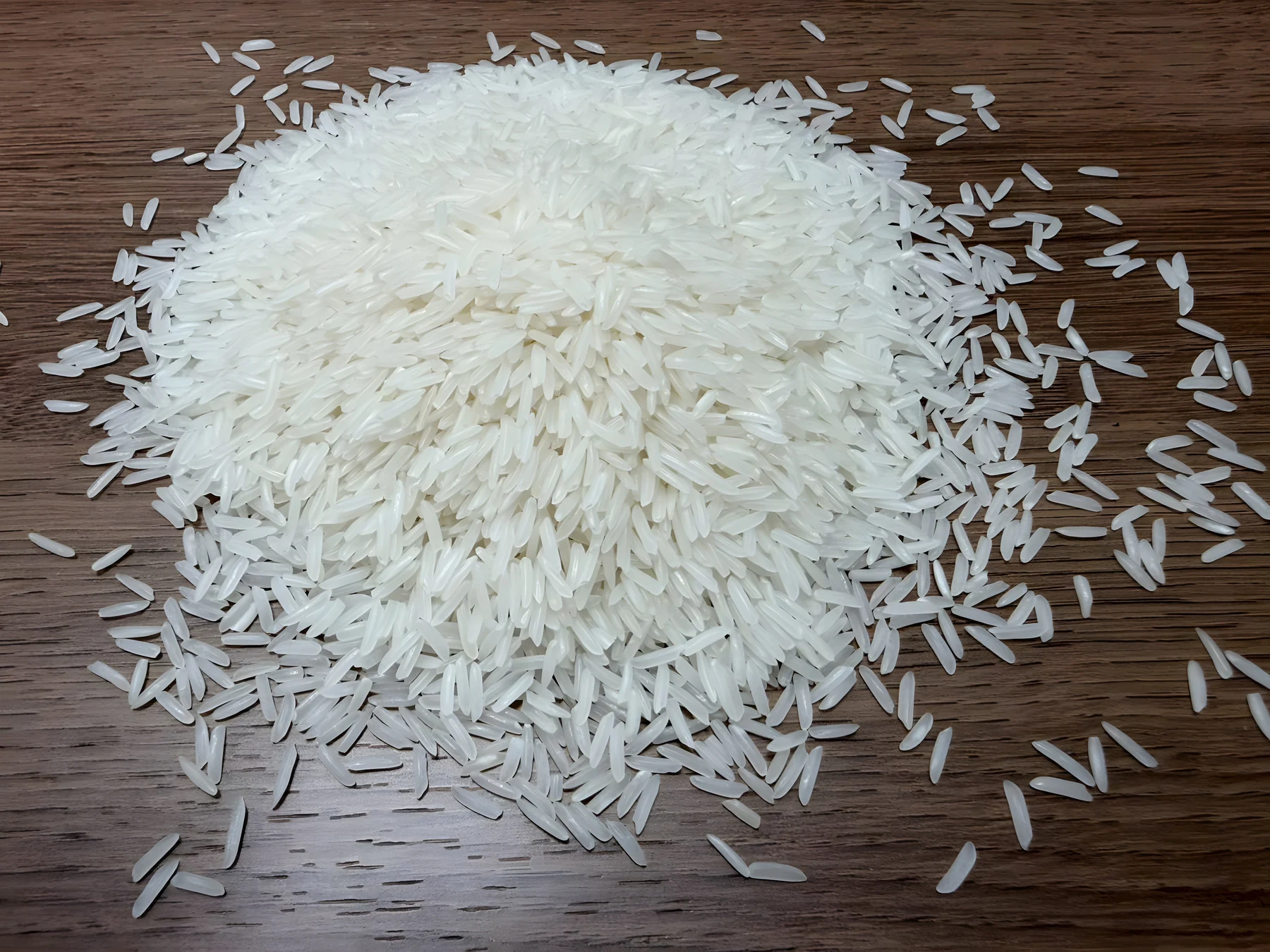
Fragments and whole kernels can behave differently in an application, but a numerical label cannot predict the exact outcome of two unspecified samples. The sample evaluation checklist helps you compare fairly without treating a photograph as a cooking test.
Calculate value with consistent inputs
First compare quoted price on the same weight, currency, pack, and trade term. Then examine costs that your operation can measure: repacking, handling, rejected material, or preparation effort, where relevant. Avoid inventing yield or wastage percentages to make one offer look cheaper.
If you have measured results, keep the trial assumptions visible. A small kitchen trial may not represent a production line; a single trial may not describe future lots. The purpose is to support a decision with evidence and agreed limits, not to produce a universal claim that either 5% or 25% is always best value.
Write the grade into an actionable RFQ
Specify the rice type and intended application, request the desired broken limit on an agreed basis, and include packing, destination, quantity, and sample requirements. If your team is undecided, ask for two clearly differentiated options rather than a generic “best price”. Review the quotation comparison guide before choosing.
Explore the Vũ Phong Phú rice range to identify suitable types, then ask our team to confirm available grades and samples for your application. Exact specifications and acceptance terms should be confirmed for the offer you intend to purchase.