
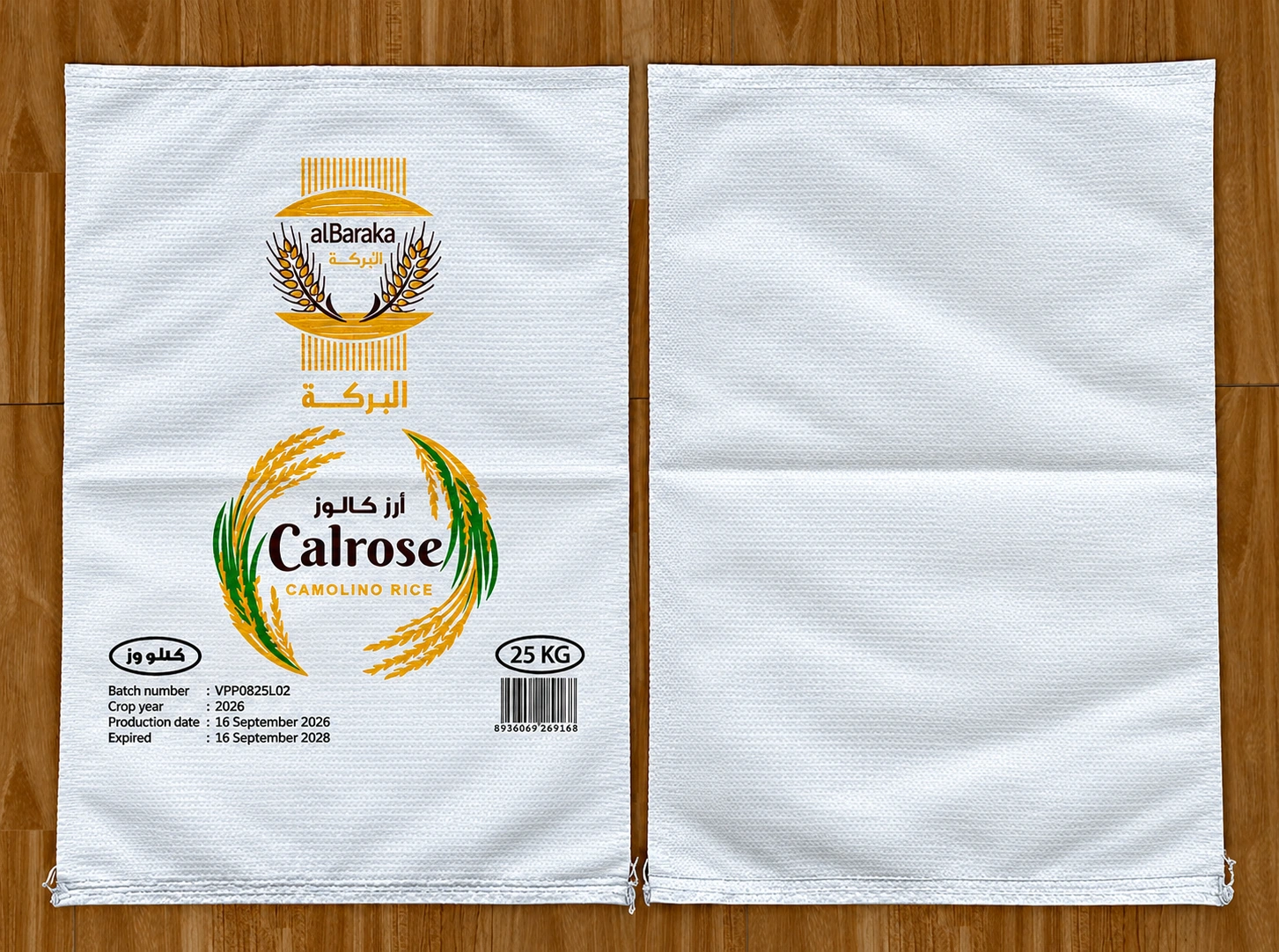
A private label rice project often starts with a bag design. The harder question comes later: what exactly should go inside it, who will buy it, and can the second shipment deliver the same experience? A launch becomes easier to manage when those decisions are made before printing starts.
This roadmap is for importers, distributors and retailers planning a rice brand with a manufacturing partner. It turns the idea into a sequence of approvals, so product selection, packaging and procurement move together instead of creating expensive revisions.
Start with a buyer and a use, rather than a broad promise
Define one initial audience. A restaurant distributor may care about cooking consistency and handling in a professional kitchen. A supermarket buyer may need a recognizable variety, a clear shelf position and packs that fit household purchase habits. Those are different briefs, even when both are buying fragrant rice.
Write down the intended destination, sales channel, customer, cooking application and expected order pattern. Separate your preferred retail price from a verified cost model; a price printed in a presentation does not establish freight, duty or distribution costs. Decide who will import, store and distribute the goods, and who will check local requirements.
Choose a rice specification that supports the brand
Browse the rice portfolio with the intended application in mind. If you are considering ST25 and Jasmine, compare actual samples using the same preparation method rather than choosing solely from a photograph. Naming the variety is only the beginning: milling condition, broken percentage, moisture, appearance and the agreed acceptance method also belong in the brief.
Record which attributes are essential and which can be negotiated. An importer might require a specific variety but be flexible about pack size; another may care more about the cooking result than the variety name. Making that distinction gives the supplier a useful basis for proposing alternatives without silently changing the product.
Use the sample evaluation checklist to capture the test conditions and results. Keep an identified reference sample and approved specification. If you later change the rice or its processing, reopen the product approval instead of assuming the original design still describes the goods accurately.
Connect packaging decisions to manufacturing decisions
Choose a launch assortment that your team can support. Every additional size or variety may introduce another artwork file, barcode, stock position and replenishment decision. A focused starting range can be easier to evaluate than a large catalogue with little evidence of demand.
| Decision | Question to resolve | Approval record |
|---|---|---|
| Product | Which variety and measurable specification fit the customer? | Sample code and signed specification |
| Pack | Which weight, material and closure suit handling and sales? | Packaging specification and physical sample |
| Label | Who checks the destination language, declarations and claims? | Reviewed artwork version |
| Order | What is the quantity per SKU and the repeat-order plan? | Quotation and agreed production scope |
| Delivery | What is the named delivery location and shipping responsibility? | Contract and logistics schedule |
Packaging should be evaluated as a physical object as well as a design. Discuss filling, sealing, stacking, transport and the space needed for variable lot or date information. Ask for an actual sample where appropriate. A polished mock-up cannot confirm print readability, seal performance or how a bag behaves when filled.

Approve the label before committing to print
Assign ownership of trademarks, translations, product descriptions and destination compliance. Check that claims are supported for the selected product and that any certification mark is authorized. A company certificate does not automatically justify a logo on every rice SKU.
Use the artwork approval checklist for the final file. Identify the version, approving person and approval date. If an importer requests a last-minute change, confirm whether that change affects the product, legal review, print tooling, cost or timetable before replacing the approved file.
Plan a first order and a realistic repeat order
Ask for the rice, printing and filling minimums separately. Read why private label MOQ can have several layers before treating a single quantity as the answer for the whole project. Agree how unused packaging will be stored, owned and reconciled if a print run is larger than the first filling order.
Build the launch schedule backwards from the required arrival window, allowing for samples, artwork review, packaging procurement, production, inspection and transport. Ask which dates are estimates and which have been confirmed. Avoid announcing a sales launch that depends on an unapproved sample or an unbooked shipment.
Before repeating the order, review customer feedback, stock movement, complaints and any changes in product or packaging. A useful repeat-order record names the previous specification and artwork version, confirms whether they remain valid, and states what has changed. This reduces the risk of a familiar brand hiding a different purchasing brief.
A concise brief you can send to a manufacturing partner
- Brand owner, importer and destination market.
- Sales channel, intended customer and cooking application.
- Preferred variety, sample status and required specification.
- Pack sizes, material preferences and quantity per SKU.
- Artwork status, review owner and supported claims.
- Target shipment window, named destination and delivery terms.
- Expected reorder pattern and unresolved questions.
Vũ Phong Phú presents its manufacturing and company information in the company profile. For a new project, the specific rice, packaging, quantities and schedule still need to be discussed and confirmed.
Ready to turn your concept into a manufacturing brief? Explore our private label and OEM process, then share your market, variety, pack sizes and expected volumes. A clear brief helps both sides identify the next practical approval.