
A retail rice buyer does not need a universal winner between ST25 and jasmine. The buyer needs a product that fits a specific customer, can be described accurately on the bag and can be supplied on an agreed basis. A familiar name or an attractive grain photograph is a starting point, not the whole decision.
This comparison is a purchasing framework. It does not present laboratory measurements or a head-to-head cooking result for Vũ Phong Phú lots. Request identified samples and the relevant specifications before treating sensory expectations as approved product characteristics.
First clarify what the names mean in the offer
ST25 is the named rice product in the proposed brief. Jasmine is also a commercial description that should be clarified with the seller: identify the variety or category being offered, origin, milling condition and specification. Do not assume that every product called jasmine has identical origin or cooking behaviour.
Ask how the product identity is supported in the supplier’s records. Claims about variety, origin, authenticity or awards need evidence relevant to the product and wording proposed. An award associated with a variety does not establish that every branded shipment has itself won that award.
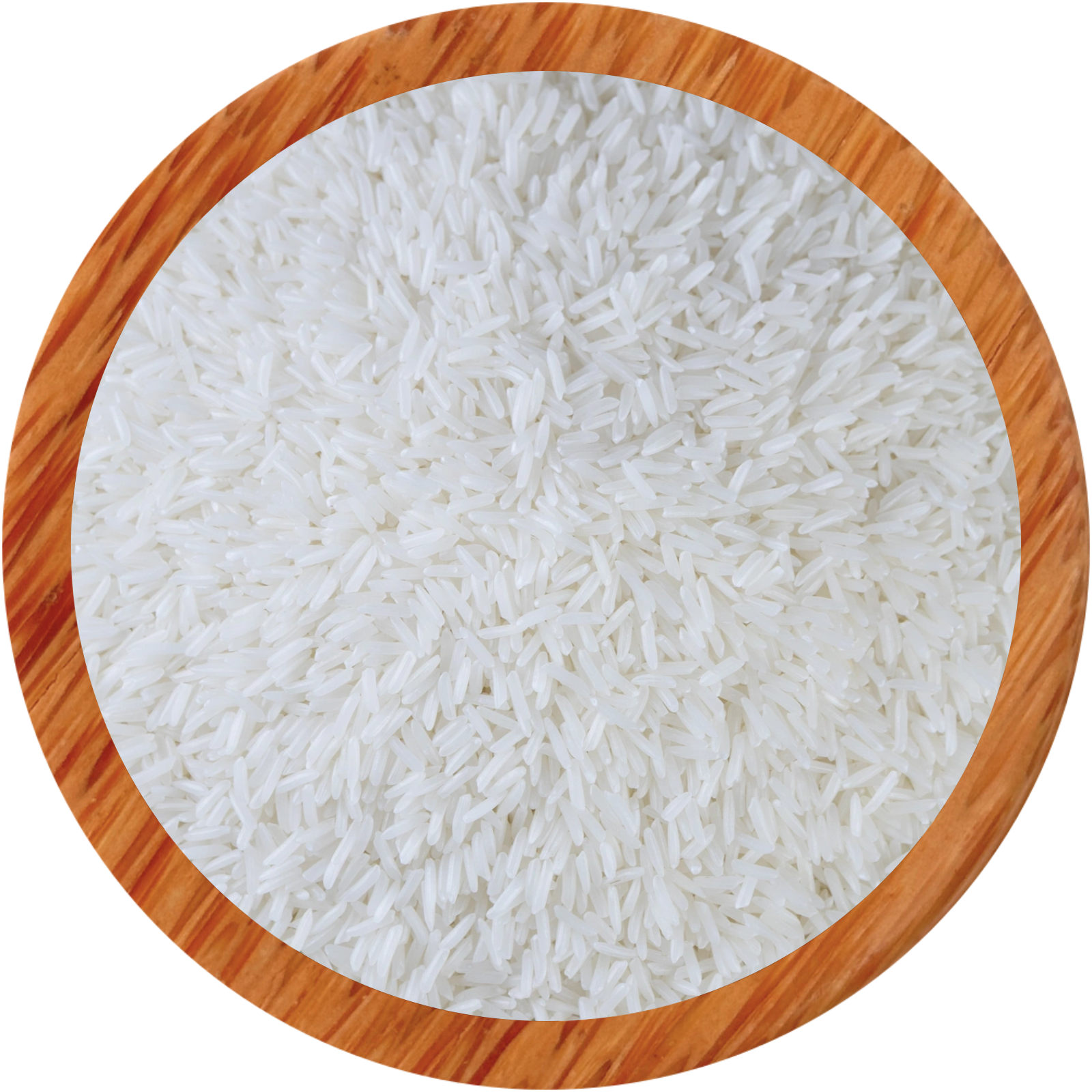
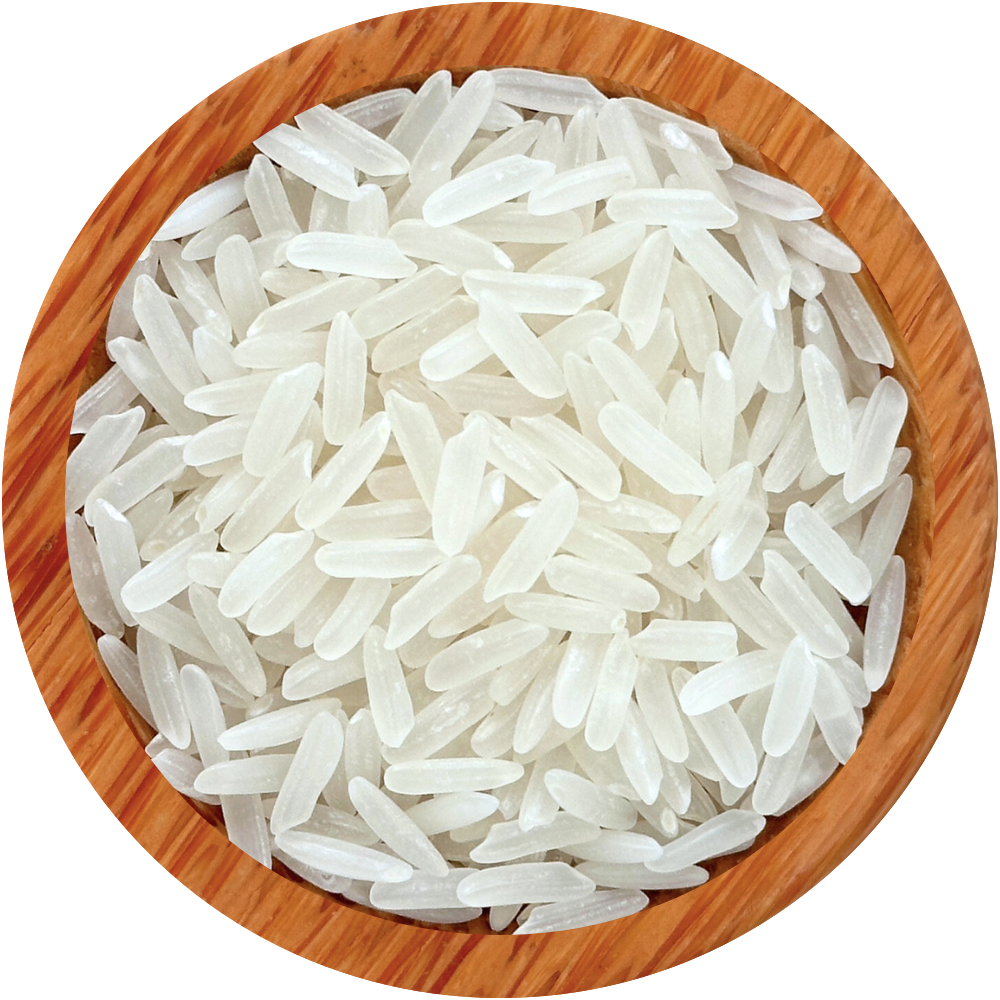
Our ST25 page and Vietnam jasmine page are the starting points for a product discussion. Their photographs support visual orientation; the sample and agreed technical brief remain the purchasing references.
Compare the questions that affect a retail listing
| Decision | ST25 brief | Jasmine brief |
|---|---|---|
| Product identity | Confirm the named variety and offered specification | Clarify the variety/category behind the commercial name |
| Customer expectation | Test the response to the proposed ST25 positioning | Test what your customers expect from a jasmine listing |
| Cooking performance | Evaluate an identified sample and practical instructions | Evaluate an identified sample under the same baseline |
| Retail communication | Support variety and origin wording with records | Make origin and product description unambiguous |
| Commercial fit | Obtain a complete quotation for the target pack | Obtain the same quotation basis for comparison |
There is no responsible fixed table saying one always has stronger fragrance, softer texture or a lower price. Those conclusions require relevant samples, methods and current offers. A useful buying comparison states what was actually evaluated and where the result applies.
Use one baseline test, then optimize each recipe
Code the samples and cook them in the same equipment using a recorded baseline method. Assess aroma, warm texture, grain separation, appearance and overall preference. Where the retail use requires it, also observe performance after the normal waiting period. Record the dry rice weight, water, washing, cooking and resting conditions.
Then test each product with a practical optimized method. Identical water settings may be useful for an initial comparison but do not necessarily reveal each sample’s best preparation. IRRI’s cooking guidance explains that suitable preparation varies by rice and application. Preserve both sets of results so the reasoning remains clear.
Use tasters relevant to the intended retail audience and describe the exercise honestly: an internal product assessment or a customer test with a stated scope. Do not translate a small preference result into a universal “best rice” claim. See the sample evaluation checklist for the record to keep.
Connect the product to the shelf proposition
Define the consumer you want to serve, the meal occasions and the role of the SKU in your range. A new variety-focused listing may need more explanation on the pack and in the product page. A jasmine listing still needs accurate identity and useful instructions, even if the name is familiar in your market.
- Write the front-of-pack promise in plain language and identify evidence for every factual claim.
- Choose a pack size using the sales channel and replenishment plan, rather than copying a competitor.
- Check that cooked-product photographs reflect the intended recipe and are not presented as a test result.
- Test the cooking instructions with someone who did not develop the recipe.
- Agree label responsibility and destination review before print approval.
Compare the whole offer before choosing
Request the same quantity, pack format, delivery basis and timing for both options. Assess the approved product, packaging costs, lead-time assumptions and reorder planning together. A higher purchase price needs a commercially credible shelf proposition; a lower price still needs acceptable product and supply conditions.
If both fit, decide whether two distinct listings offer meaningful choice or simply duplicate your range. Keep their descriptions specific so shoppers can understand why each exists. For the packaging stage, read the rice artwork checklist.
Start with ST25 product information, compare our jasmine offering, and send your retail brief with destination, pack size and intended positioning. The next discussion can focus on samples and specifications that fit your actual customers.