“Rice from Vietnam” answers a country question, but premium buyers often need more detail. Where did the raw material come from? Which variety is being supplied? Where was it processed and packed? Vietnam rice sourcing origin traceability becomes useful when these questions are separated and each answer is supported by an appropriate record.
A compelling regional story can help a private label range, yet the story should follow the evidence rather than decide it. A factory located in the Mekong Delta does not by itself establish the precise growing location of every lot it handles. Likewise, a variety name is not proof of a farm, crop season or protected geographical claim.
Separate three kinds of identity
Country of origin, material provenance and processing location may be connected, but they are not interchangeable. The first concerns the origin determined under applicable trade rules. The second concerns the sourcing trail of the material. The third identifies where operations such as milling or packing occurred. Ask the supplier to explain what each statement on the quotation and label means.
The World Customs Organization's origin overview distinguishes the role of origin rules in international trade. Your importer or customs adviser should establish which rules and evidence apply to the actual shipment. Do not assume that a regional marketing description provides customs origin evidence or that one document proves every sourcing claim.
Trace the statement you intend to make
Start with the wording planned for your packaging. “Product of Vietnam,” a named growing region and “packed in Vietnam” describe different things. Identify the evidence needed for each before approving artwork. If the available record supports only a country statement, do not add a narrower location because it sounds more premium.
| Claim or question | Evidence to discuss | What to avoid |
|---|---|---|
| Country origin | Applicable origin records and shipment documents | Assuming the seller's address settles origin |
| Growing region | Material sourcing records linked to the relevant lot | Using an unrelated field photograph |
| Variety identity | Supplier identification and supporting product records | Treating grain appearance as conclusive proof |
| Processing site | Named facility and production or packing records | Calling a packing site the growing location |
Ask about the material trail
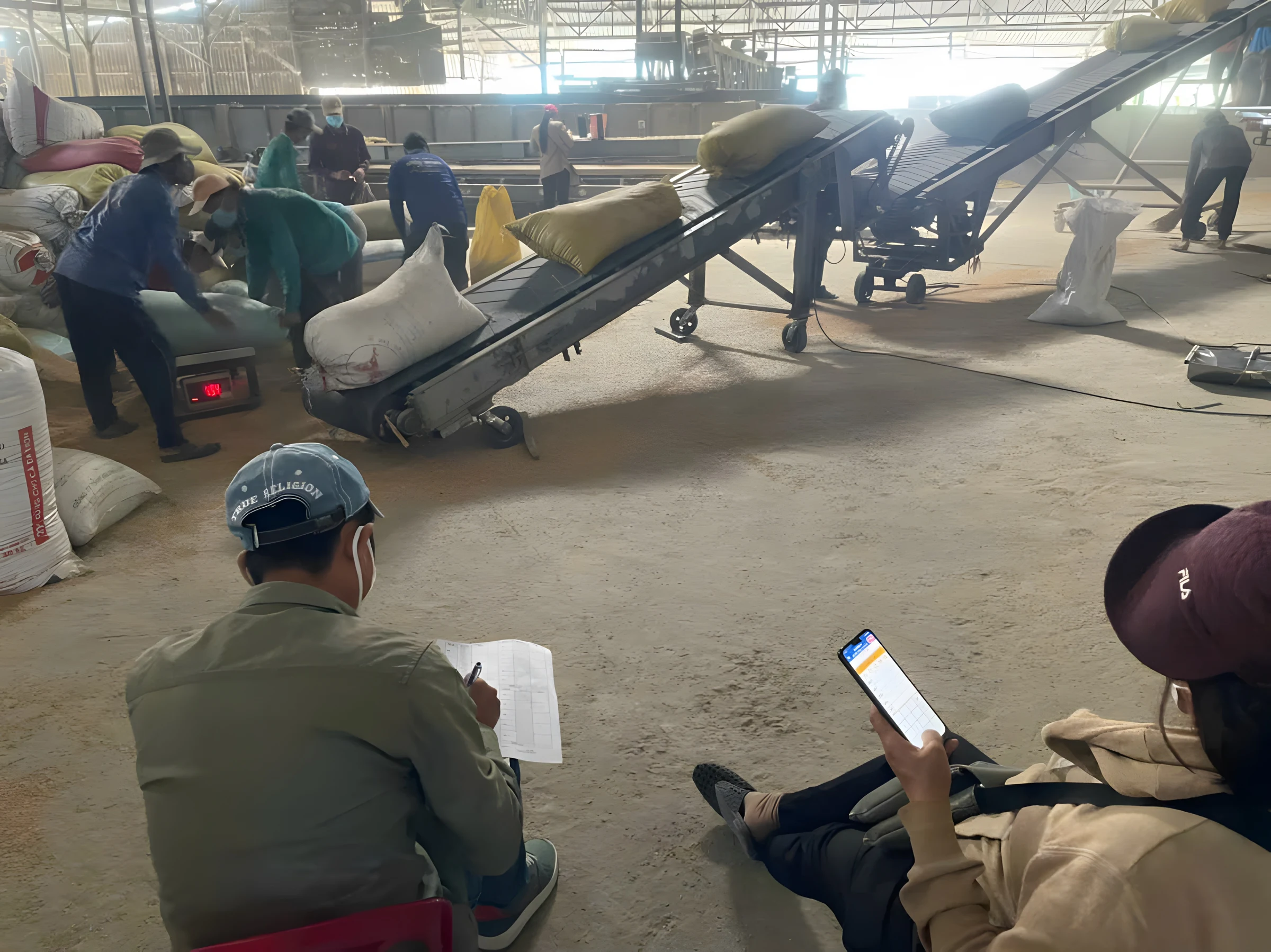
Request an explanation of how the supplier identifies incoming material and connects it to finished goods. If material is combined, ask how the relevant records describe that combination. A buyer does not necessarily need every confidential supplier name to begin assessing the system; a redacted example can show whether references connect and where detail is available if needed.
Check the level of precision offered. Farm-level traceability, a sourcing area and a supplier intake reference are different levels of information. Agree the level required for your project and the records that support it. Our batch traceability guide deals with the connection between operational records; this origin review focuses on what you can accurately say about the source.
Keep varieties distinct from regional stories
ST25, ST21 and other named products should be identified through their product brief and supporting information. A photograph can help show grain presentation, but it cannot independently verify genetic identity. Avoid converting one supplier's description into a universal claim that all rice with a similar shape has the same origin or characteristics.
For example, a European private label buyer wants a regional story on a fragrant rice bag. The team first asks whether the sourcing records for the proposed lots support that region. If not, it can use a factual country description and explain the processor's role separately. This produces a clear label without promising a traceability level that has not been established.
Build a claim-to-evidence file
- List every origin or provenance statement intended for the pack and website.
- Name the document or record supporting each statement.
- Check whether it relates to the supplier generally or to the proposed shipment.
- Identify who will confirm destination requirements and origin wording.
- Set a review point when material allocation or sourcing information changes.
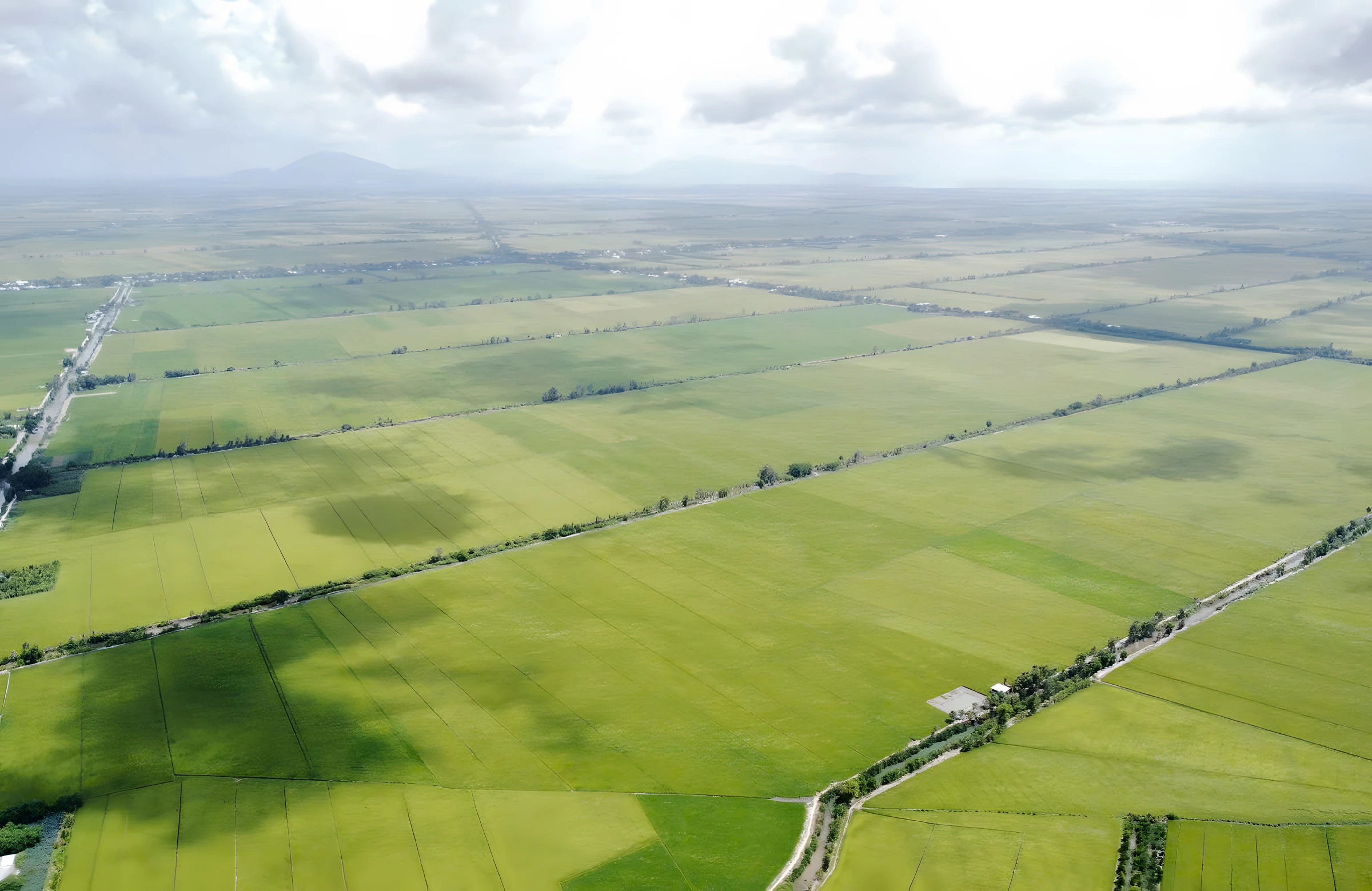
Keep maps and photographs in this file too. A general regional map should be labelled as context, not as a traced route for a specific lot. Use actual sourcing photographs only when their location and relevance are known. This is especially important for premium brand storytelling, where imagery can imply more specificity than the written text.
Read Vũ Phong Phú's company background separately from the product origin evidence. Family history and processing experience describe the business; they do not replace the records for your purchase. Bring the exact label claim and destination to the sourcing discussion so the required evidence can be defined before the order and artwork are finalized.