
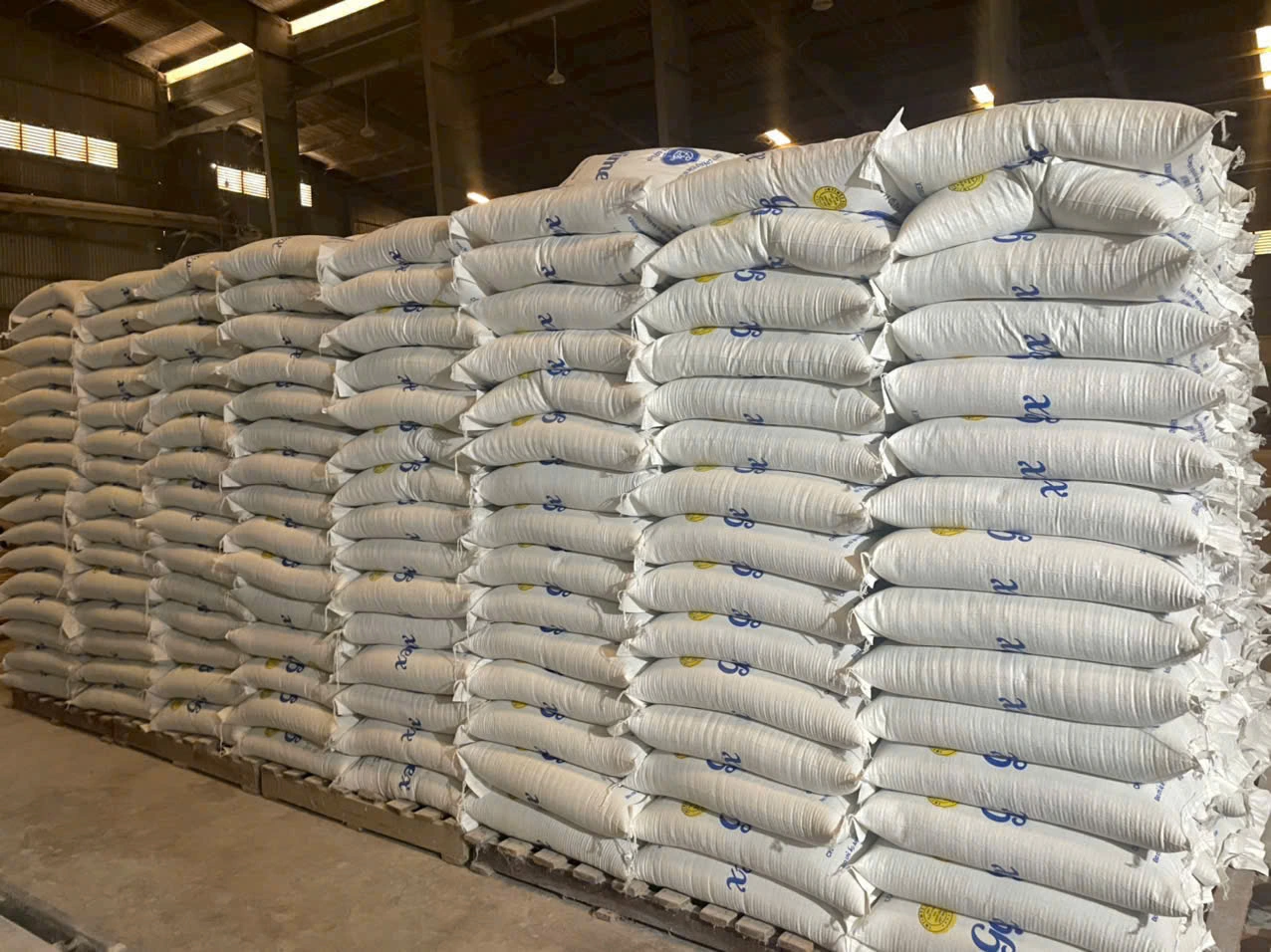
A moisture result is useful only when the buyer knows what was measured and what conditions the rice will encounter afterwards. One value on a specification does not describe the warehouse, packaging, transport route or length of storage. For importers, rice moisture content storage risk is therefore a question of evidence and context, rather than a single universal pass number.
The commercial task is to agree a suitable acceptance requirement for the offered product, and a repeatable way to verify it. This article concentrates on moisture measurement and interpretation. A complete shelf-life programme and a container condensation plan need additional work beyond the receipt of one test result.
Identify the product and the measurement method
State whether the sample is paddy, husked rice or milled rice, and identify the exact lot. Ask what instrument or laboratory method produced the result, how samples were selected and when the measurement occurred. A drying-operation reading and a shipment acceptance report can serve different purposes. They should not be treated as interchangeable simply because both display a percentage.
IRRI explains that its low-cost moisture tester is calibrated for paddy and intended for postharvest decisions, rather than trade. The buyer’s general lesson is to check the intended material and use of a device before accepting its output as commercial evidence. Request a method suitable for the offered rice and agreed purchasing purpose.
Separate a reading from a representative result
A measurement describes the tested material. To use it for a lot, agree how the sample represents that lot. Ask where samples are drawn, how they are identified and whether the reported value is an individual reading or a combined result. Keep the sampling record with the report rather than accepting an isolated number in an email.
| Report field | Question to ask | Why it helps |
|---|---|---|
| Lot and product | Which goods does the result describe? | Prevents using a previous shipment’s data |
| Method and device | Is it appropriate for this rice form? | Makes comparison meaningful |
| Sampling | What locations and timing were used? | Connects the result to the lot |
| Acceptance basis | Which agreed limit and procedure apply? | Supports a clear release decision |
Do not compare two supplier values as if the smaller number automatically means the better product. Differences in material, sampling, method and timing can obscure the comparison. If the contract requires a particular method or independent test, state that before purchase rather than after a disputed reading.

Put the storage environment beside the rice result
IRRI’s discussion of equilibrium moisture in paddy illustrates the influence of surrounding humidity and temperature. Its paddy examples are not finished-pack guarantees for all milled rice. For a retail or foodservice order, assess the actual storage exposure, packaging and expected selling period with the supplier and appropriate specialists.
Describe the importer’s warehouse rather than only the destination country. Two warehouses in the same city may handle goods differently. Ask about dry storage arrangements, pack protection, stock movement and the period before distribution. The supplier needs this context to discuss requirements; an attractive bag material by itself does not validate the planned storage conditions.
Use a practical acceptance scenario
Consider a buyer preparing an OEM retail order for a long distribution cycle. The old quotation contains an indicative moisture field but no agreed test method. Before approving the order, the buyer asks for the current product specification, a defined shipment sampling procedure and packaging information. The receiving team also writes down which documents it will review and how it will handle an unexpected result.
This scenario does not prescribe a numerical limit. It demonstrates how a number becomes usable: identified goods, an agreed method, known timing and a documented decision. The Codex rice standard recognizes that destinations and transport or storage conditions can call for lower moisture requirements. Buyers still need the applicable standard, destination requirements and their specific contract reviewed.
Agree what happens if results differ
Define who takes a confirmation sample, which method governs and how records or retained material will be reviewed. Avoid improvising a test after delivery that is incompatible with the agreed basis. If there is evidence of damaged packaging or changed exposure, document it alongside the measurement instead of attributing every issue to the original shipment value.
Keep moisture control connected to the broader quality discussion, but do not treat it as proof that every other safety or quality parameter is satisfactory. The specification guide helps separate different fields and their purposes.
- Identify the exact rice form and lot.
- Agree sampling, method and measurement timing.
- Describe storage, route and packaging expectations.
- Confirm the acceptance requirement before the order.
- Document a repeat-test and discrepancy procedure.
Send these details to Vũ Phong Phú with your enquiry. A well-defined moisture requirement supports a clearer purchasing decision while keeping the wider storage assessment grounded in the product and conditions actually involved.