

Rice shelf life and storage for importers is a product-and-route decision, not a number copied from another bag. A supermarket may require a minimum remaining life at receipt, while a hotel distributor may rotate stock differently. The useful question is whether your chosen rice, in its final packaging, can meet the agreed quality and safety criteria throughout that journey. A date should follow supporting evidence, rather than become a promise that the evidence must somehow satisfy later.
Define the product before defining the date
Identify the variety or blend, milling condition, intended use and final pack structure. A white fragrant rice and a bran-retaining rice should not automatically inherit the same assessment. For blends, record component identities and proportions so that a change does not disappear behind an unchanged brand name. Discuss the selected brown rice or other product with the quality team instead of assuming one portfolio-wide expiry period.
The assessment also needs an explicit starting event. Does the proposed period begin with packing, production or another documented milestone? Record how this event is captured and how it connects to the lot code. Without a shared definition, the supplier can print a technically consistent date that the importer interprets differently. Keep the production record, date calculation and sample identifier together, especially when orders are packed over several days.
Ask for a study that matches the final bag
Request the study protocol, conditions, checkpoints and acceptance criteria, not only its conclusion. Useful observations may include sensory changes, relevant laboratory results, pack integrity and evidence supporting the declared storage instruction. The quality specialist should select the tests appropriate to the product. A study on a different film, closure or pack size needs a documented explanation before it is used for a new private label project.
Real-time evidence and accelerated work serve different purposes. If accelerated work is proposed, ask how its assumptions relate to the product and actual distribution conditions. Do not translate an unexplained laboratory interval into a guaranteed commercial life. EFSA discusses the factors food businesses consider when setting dates in its date-marking guidance overview. The distinction between quality and safety matters; the applicable destination rules determine the wording to approve.
Work backwards from the retailer's receiving rule
Consider a hypothetical importer launching a premium fragrant rice in two cities. One chain requests a remaining-life threshold at warehouse receipt; another checks it at store delivery. These are different checkpoints. Map the time spent awaiting shipment, in transit, at customs, in the distribution centre and on the shelf. Ask the chain to confirm its actual receiving rule in writing. No generic transport estimate establishes the product's shelf life.
Turn that map into a receiving checklist: verify lot and printed dates, inspect seals and bag condition, record arrival conditions where relevant, and segregate questionable stock pending a quality decision. A satisfactory remaining period does not make a damaged or contaminated bag acceptable. Conversely, a commercial receiving threshold is not itself the scientific basis for the printed date. Keeping these decisions separate makes disputes easier to resolve.
Protect the evidence after the shipment arrives
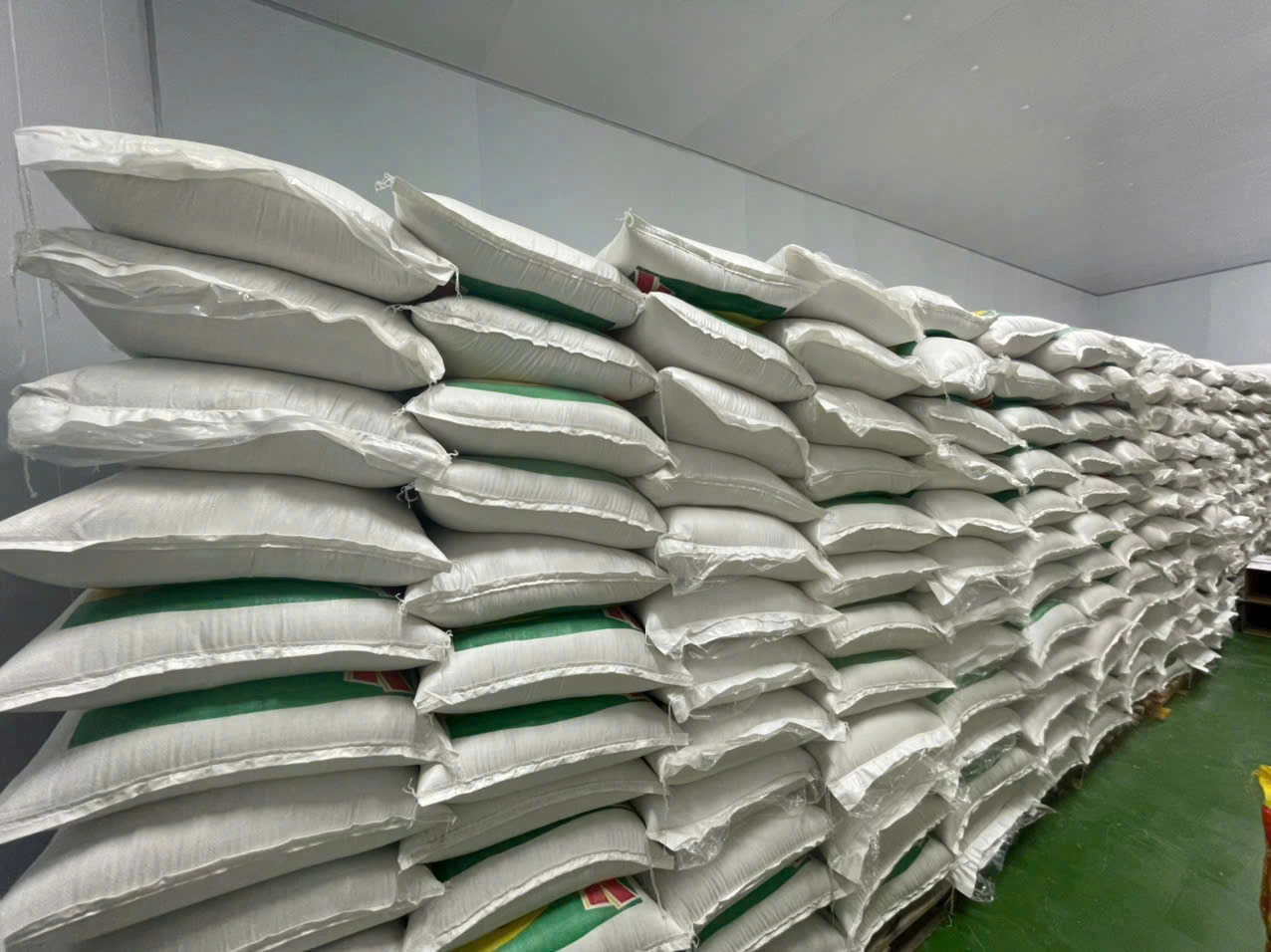
Translate the validated conditions into warehouse practice. Keep rice protected from water, pests, strong odours and unsuitable storage conditions. Agree how the importer records exceptions and escalates them. Rotation should consider expiry dates and lot identity, rather than relying only on the order in which pallets arrived. Repacked or opened product needs its own handling review; the unopened-pack assessment should not silently become an after-opening guarantee.
Before approving artwork, confirm five items: the exact product, final packaging, supported duration, storage wording and destination-appropriate date format. Assign an owner to each. Changes to the rice, packaging supplier or distribution route should trigger a review of the assumptions. The packaging comparison explains material questions, while quality documentation provides the starting point for a product-specific discussion. This approach supports a credible date without inventing a universal 24-month promise.
- Final rice identity
- Final bag structure
- Study acceptance criteria
- Date calculation owner
- Destination wording review