
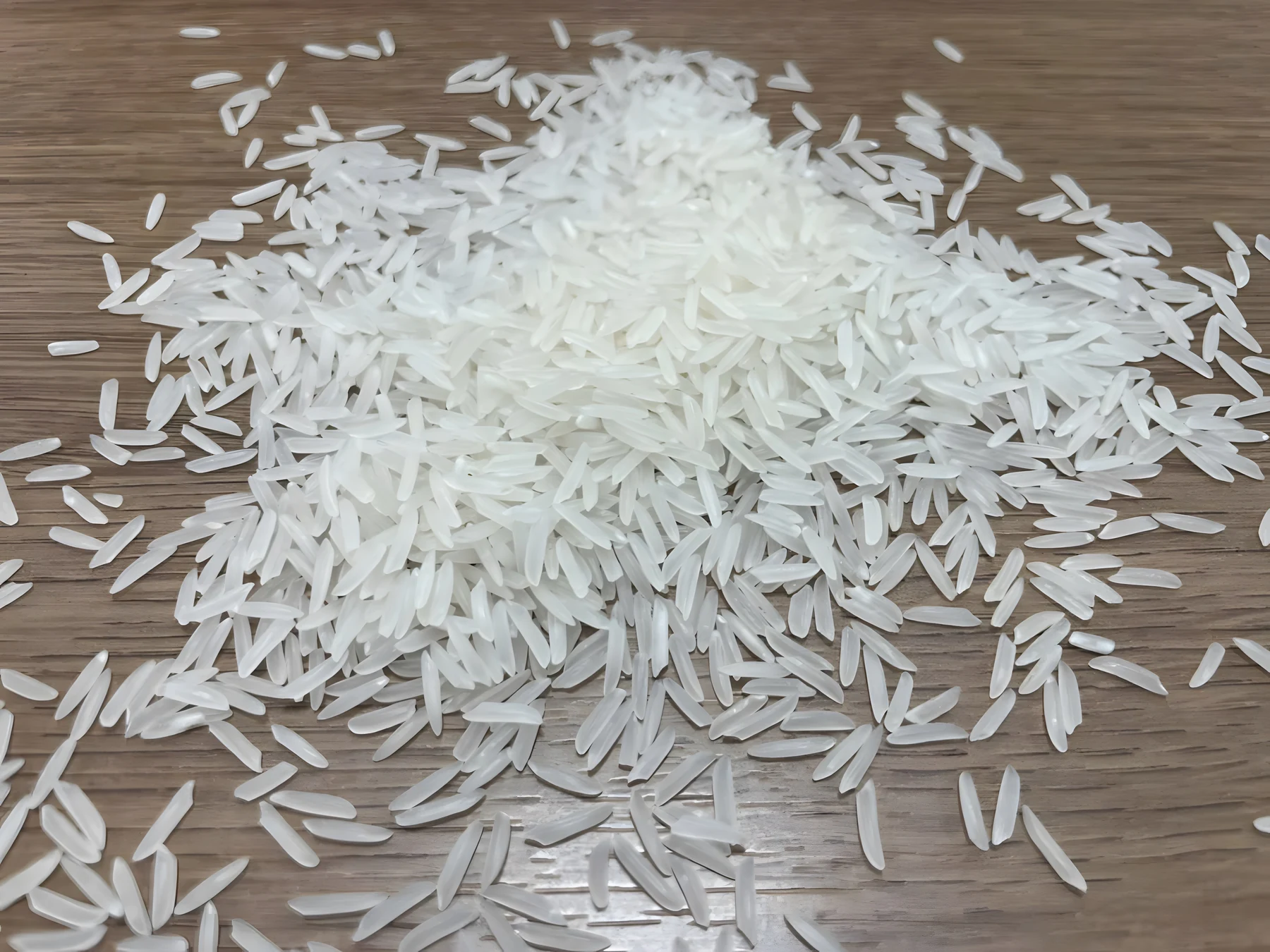
The sample cooked well and your team approved it. The next purchasing task is to make that approval traceable to the order. A sample is evidence about the material evaluated under recorded conditions; it is not, by itself, proof of every bag that will later be supplied.
The strongest approach combines an agreed specification, a clear sample record, lot identification, and a verification plan. These components serve different purposes. Using them together makes the handover from sales discussion to production and shipment much clearer.
Document what your team actually approved
Record sample code, receipt date, product identity, supplier, packing, and any lot information provided. Retain the original label or its photograph. State whether the sample was a general product reference or a sample associated with a proposed production lot; ask if the status is unclear.
For a cooking approval, keep the rice and water weights, preparation method, equipment, cooking and resting times, and evaluation timing. Describe appearance, aroma, and texture in a repeatable way. Separate these observations from analytical results. Our rice sample checklist provides a useful starting structure.
Turn approval into a specification
“Same as sample” can be too vague when there is a disagreement. Establish the current written specification for rice identity, relevant physical limits, packing, and other agreed requirements. Reference the sample code alongside that document, not instead of it.
Agree what will be measured, which methods apply, and how results will be interpreted. For sensory acceptance, discuss a comparison procedure and practical criteria. A photograph cannot replace a broken-rice measurement, while a moisture result cannot answer whether cooking texture meets the buyer’s brief. See the specification sheet guide for those distinctions.
Agree the checks before the shipment is ready
| Stage | Buyer and supplier should agree | Record |
|---|---|---|
| Before production | Product, specification revision, pack, approved sample reference | Purchase confirmation |
| Before loading | Sampling, inspection, tests, and who performs them | Inspection or test records as agreed |
| At shipment | Lot references, packing identification, document consistency | Shipment file |
| At receipt | Condition checks, comparison method, notification route | Receiving report and evidence |
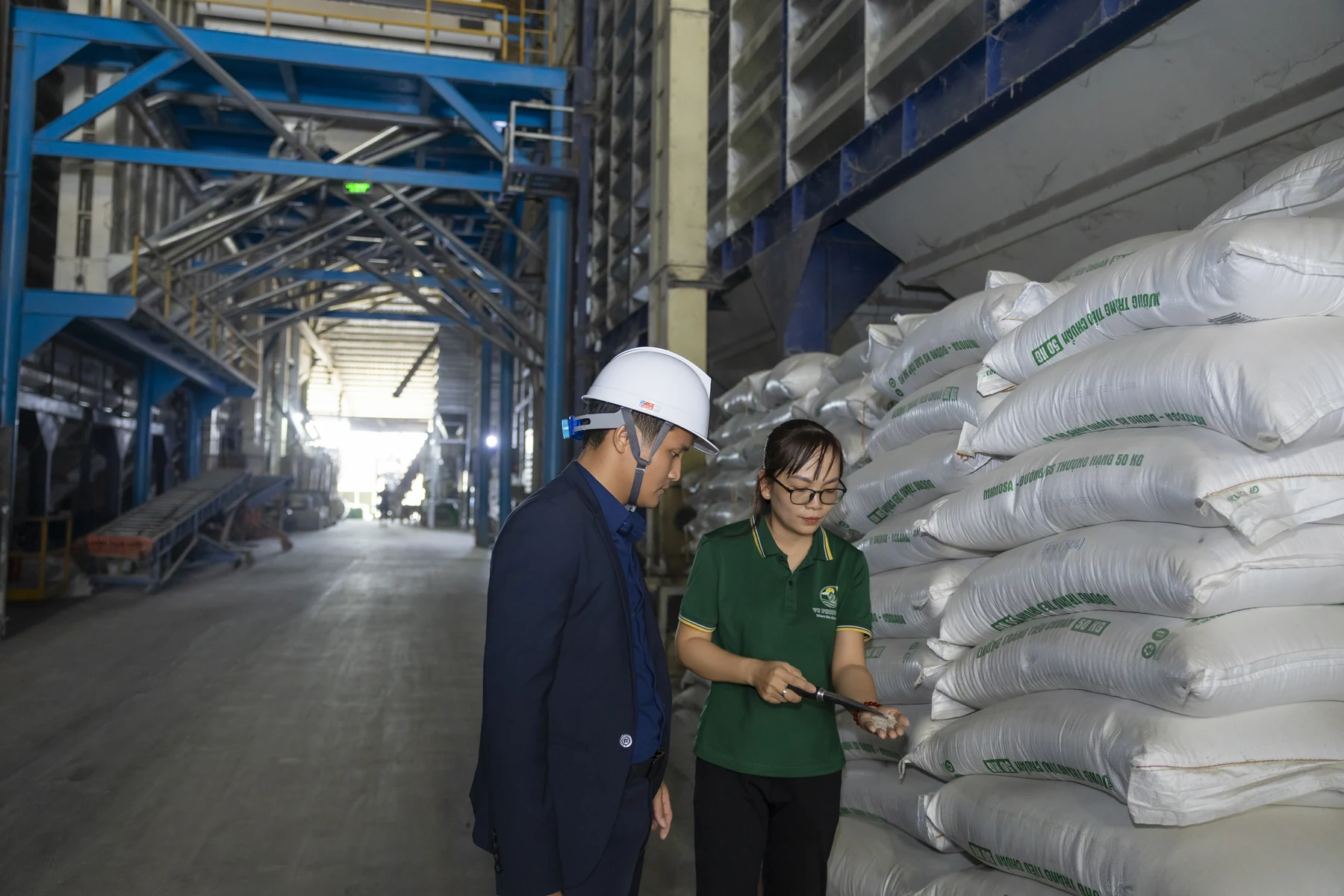
The sampling approach should suit the lot and purpose. A convenient handful from one open bag is not automatically representative of a container. Ask the parties responsible for sampling or inspection to propose an appropriate plan and agree it in advance. Where third-party inspection is required, define the scope rather than relying on the word “inspection” alone.
Use retained samples with clear custody
If retained samples form part of the agreement, state who draws, seals, labels, stores, and holds them. Identify each sample’s lot and date. Agree storage conditions and a retention period suitable for the purpose. A reference stored badly can change and become a poor basis for a later comparison.
For a receiving trial, use the same cooking protocol where practical. If the result differs, repeat under controlled conditions and check the sample identity before attributing the difference to the shipment. Equipment, water, preparation, and storage can affect observations. Recording those variables helps the parties investigate rather than argue from memory.
Investigate a discrepancy with evidence
- Record the affected lot, bag marks, receiving date, and observed issue.
- Photograph the product and packaging condition without discarding identification.
- Keep relevant samples and documents according to the agreed procedure.
- Separate a packing or transit condition issue from a product specification issue.
- Notify the agreed contact promptly and request an investigation.
Handling, storage, and transport conditions may be relevant, so avoid deciding the cause from one image. Contractual inspection, acceptance, notification, and remedy terms should be settled by the parties before purchase. The checklist here supports that discussion; it does not promise a particular outcome for every dispute.
Build the evidence into your supplier conversation
The Vũ Phong Phú quality page outlines company quality information. Order-specific sample and shipment arrangements should be confirmed for your rice, packing, and destination. Certification evidence is a separate part of approval; the ISO 22000 verification guide explains how to check it.
Before issuing your purchase confirmation, ask our team to discuss the sample reference, current specification, and proposed verification plan. A well-defined process gives everyone a clearer understanding of what was approved and what must be checked when the goods are supplied.