
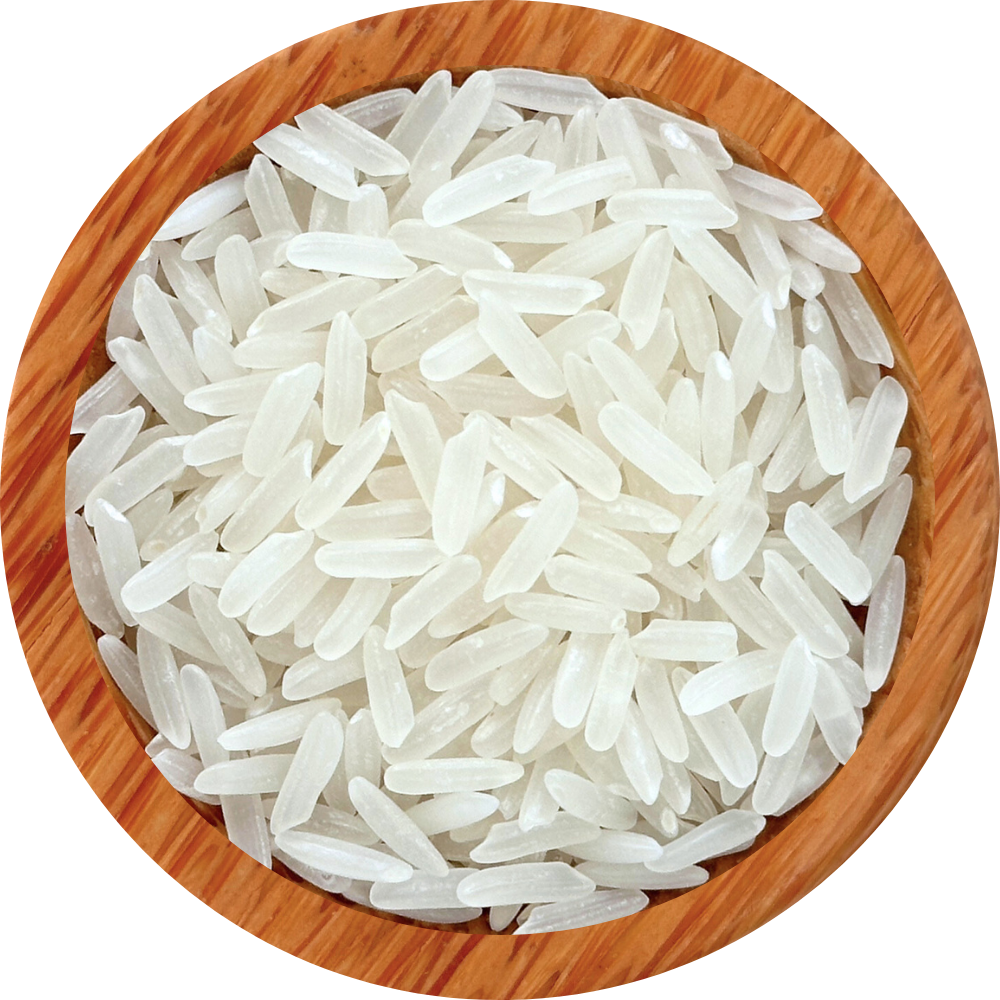
Everyday fragrant rice needs to earn a place in the customer's routine. For a supermarket, that means a product people can understand and cook reliably. For a restaurant, it means a result the kitchen can repeat under its own conditions. Comparing Jasmine vs Dai Thom 8 should therefore begin with the meal and channel, rather than an assumed hierarchy between the names.
Vũ Phong Phú lists Jasmine and Đài Thơm 8 as separate products. This guide does not claim that either sample is softer, more aromatic or better at holding without a recorded comparison. Instead, it gives buyers a practical way to assess everyday fragrant rice while preserving the identity of each offer.
Define the everyday occasion
Write a short brief: who cooks the rice, which appliance is common, what meal it accompanies and how it is served. A family rice side dish, a takeaway meal and a hotel buffet are different uses. Customers in the same country can also have different preferences, so a market name alone is not enough to define the texture you want.
Describe the desired result in plain words before assigning scores. Do you want grains that separate readily, a more cohesive spoonful or a texture suited to the particular sauce? Decide which observations are essential and which are optional. This keeps a strong preference on one attribute from hiding a failure on another.
Keep Jasmine and DT8 samples identifiable
Ask for the sample reference, grade, milling condition and information about the stock or production it represents. Jasmine is a commercial description that still needs a precise supplier brief; do not treat it as automatic proof of Thai origin or a particular geographical claim. Đài Thơm 8 should remain a separate identified offer, not be relabelled Jasmine merely because both are discussed as fragrant options.
Compare the Jasmine page and Đài Thơm 8 page, then request the fields needed for your purchase. Check that the two test samples have comparable grade information. If they do not, document the difference before interpreting the cooking result.
Run two paired trials
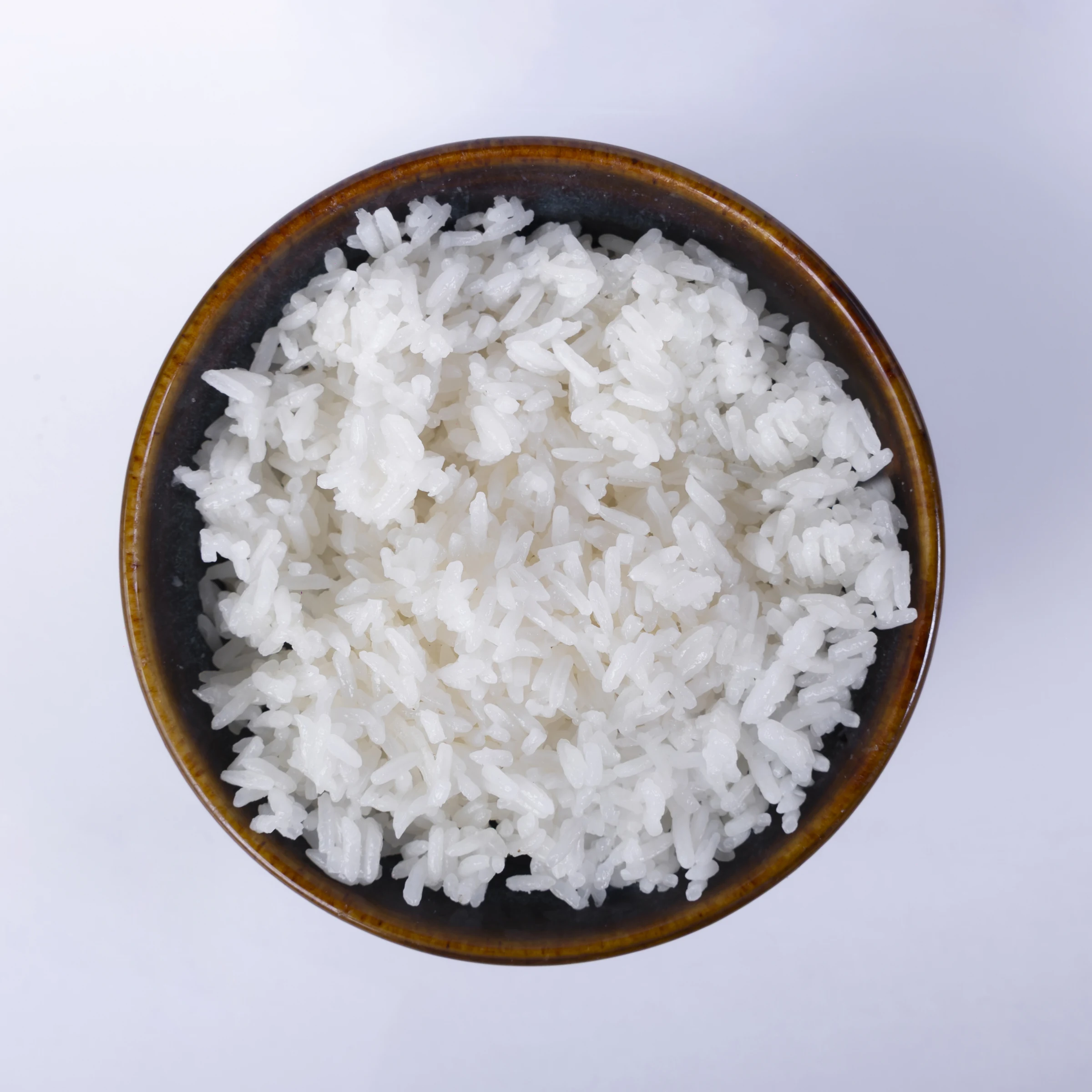
In the first trial, use the same raw mass, water source, washing procedure, appliance and rest period. Record water quantity and programme. In the second, refine the method for each rice if necessary. These trials answer different questions: the shared method shows a controlled comparison; the adjusted method shows the result that could support your final cooking instruction.
Use coded samples for the tasting team and ask for descriptions before discussion. Record aroma, texture, appearance and ease of preparation. If the product will be held before serving, assess it at the kitchen's relevant service point under its approved food safety procedure. Do not claim a universal holding advantage from one informal lunch tasting.
| Buyer question | Trial evidence | Follow-up |
|---|---|---|
| Will households reproduce the result? | Trial with the likely consumer appliance | Validate the proposed pack instruction |
| Will the kitchen adopt it? | Staff trial under the actual service method | Record preparation and serving observations |
| Are the lines different enough? | Blind comments and customer feedback | Decide whether one or two SKUs are justified |
| Is the offer commercially suitable? | Like-for-like pack and delivery quotation | Confirm the tested product reference |
Translate preference into a usable retail promise
A private label team may be tempted to describe both bags as “premium, aromatic and perfect for every meal.” That makes the range harder to understand and introduces promises the trial may not support. Use accurate descriptions and clear instructions. If the two products serve the same role for your shoppers, a single well-explained line may be more useful than two overlapping packs.
For example, a Singapore retailer trials both products as a family-meal rice. It records preparation in a common rice cooker and gathers feedback from its target households. The selection should follow those observations, the confirmed specification and the commercial offer, rather than a claim that all Singapore consumers prefer one variety.
Compare prices against the approved result
Request quotations with the same quantity, packing format and delivery basis. Keep the sample and specification codes on the comparison sheet. Discuss repeat-order availability and how changes will be communicated. A lower quotation for a different grade does not show that one rice name is inherently a better value.
The Codex standards index is a primary reference for applicable rice standards; it does not establish a Jasmine-versus-DT8 sensory ranking. For the broader kitchen brief, read rice selection guides. Bring the everyday occasion, desired texture and trial record to Vũ Phong Phú when requesting the sample that fits your project.