

ST25 vs ST21 is a useful purchasing comparison when it begins with the buyer's actual brief. A supermarket range may need a distinctive premium story and clear home-cooking instructions. A hotel may care more about the rice at the end of its service period. Neither brief can be answered by naming a winner from two product photographs.
Both names appear in Vũ Phong Phú's portfolio, but this guide does not publish an unverified side-by-side performance result. It shows how to compare identified samples and decide which offer fits your customer, kitchen and price position. Keep the product identity, commercial grade and cooking result separate throughout the evaluation.
Make sure the samples answer the same question
Request the sample code, product description, milling condition, grade information and explanation of what each sample represents. A current production sample and a proposed future grade should not be treated as equivalent evidence. Label the containers clearly and keep the paperwork with them. Grain length or colour in a photograph is not sufficient to establish variety identity.
Read the ST25 product information and ST21 product information, then ask about any missing fields that matter to your project. If one sample has a different broken proportion or packing age, note that difference. You may otherwise attribute a grade or preparation difference to the variety name.
Use a controlled first cooking trial
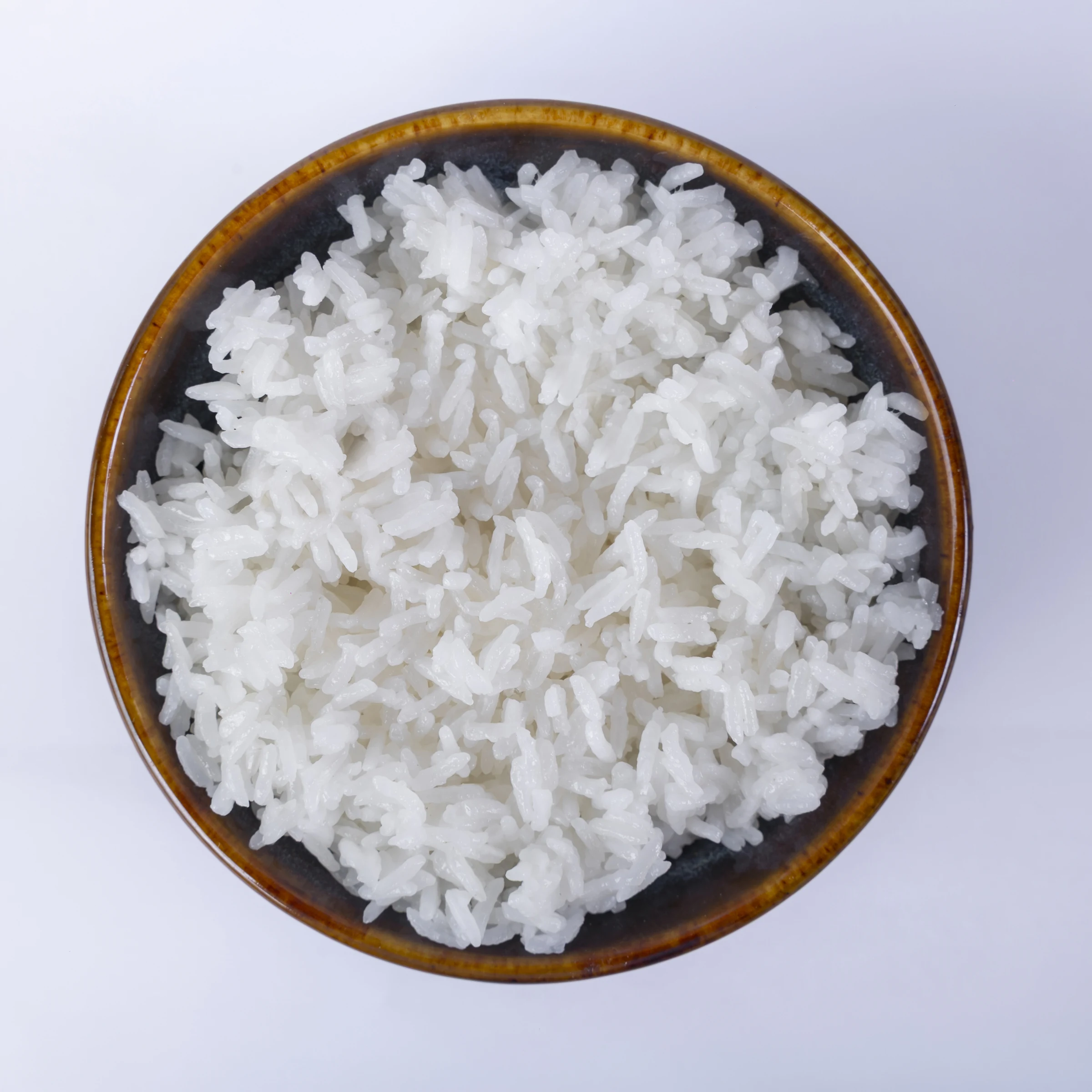
Start with the same appliance, raw rice mass, washing procedure, water source and resting time. Record the water used and the cooking programme. Use coded bowls if your tasting team already has a preference for one name. Serve samples in the same conditions and compare the attributes relevant to the intended use.
Then allow a second trial using an appropriate water adjustment for each sample. A single shared method makes differences easier to observe, but may not be the best preparation for both. Record both trials rather than quietly changing the method for one rice and calling the results directly comparable. Follow your kitchen's food safety procedures throughout preparation and service.
| Attribute | Observation to record | Why it matters |
|---|---|---|
| Aroma | Description at opening, cooking and serving | Fit with the intended product promise |
| Texture | Softness, cohesion and bite under the recorded method | Fit with the meal and customer preference |
| Presentation | Grain appearance and consistency in the bowl | Retail and restaurant expectations |
| Service | Result at the actual planned serving interval | Kitchen suitability beyond first tasting |
| Preparation | Steps and equipment required for the preferred result | Instructions that customers can reproduce |
Let the sales channel set the priorities
For premium supermarket positioning, evaluate whether shoppers can understand the distinction between the two lines. The name alone should not carry the whole offer. Pack communication, cooking guidance and the experience obtained from the approved sample need to support the price position. Avoid claiming every market prefers the same texture.
For a hospitality group, test the rice with the dish and serving system actually used. A tasting straight from the cooker is helpful but incomplete if the restaurant serves later. Include staff who operate the equipment and will implement the instructions. Our Rice Applications pages offer meal inspiration, not proof of a measured result from either sample.
Compare quotations after the trial
When asking for prices, use the exact tested product brief, pack size, quantity and delivery basis. Two quotations with different quality requirements or packaging are two offers, not a clean variety comparison. Discuss the cost of the preferred result in context: does the preparation require extra handling, does the pack fit your channel, and can the order be repeated against the approved reference?
For example, a retailer considers two fragrant rice lines for a premium shelf. Its panel prefers one sample for a particular family meal, but both meet the agreed basic requirements. The team may choose the preferred sample for the premium line and avoid launching a second indistinguishable SKU. That is a channel decision based on evidence, not a universal claim that one variety is better.
Write a decision the next buyer can repeat
- Record sample codes and the current specification versions.
- Attach both cooking methods and the tasting observations.
- State the intended customer, dish and service conditions.
- Explain the selection and any outstanding confirmation.
- Keep the approved reference for the eventual order.
The official Codex standards index can support discussion of relevant rice standards and terminology; it does not rank ST25 against ST21. Use our sample evaluation checklist to structure the evidence, then request the identified samples needed for your own comparison.